
QUICK BUYER ANSWER
The practical answer
Evaluate whether first-time users can close the actual dry bag correctly using the instructions supplied with it. Observe loading, alignment, rolling and buckle use without coaching, then compare the sequence with the model-specific procedure. Fix unclear text, diagrams or construction before bulk approval. A usability trial supports instructions and design decisions; it does not replace the finished-product water-exposure evaluation.
Use the procedure for the selected model
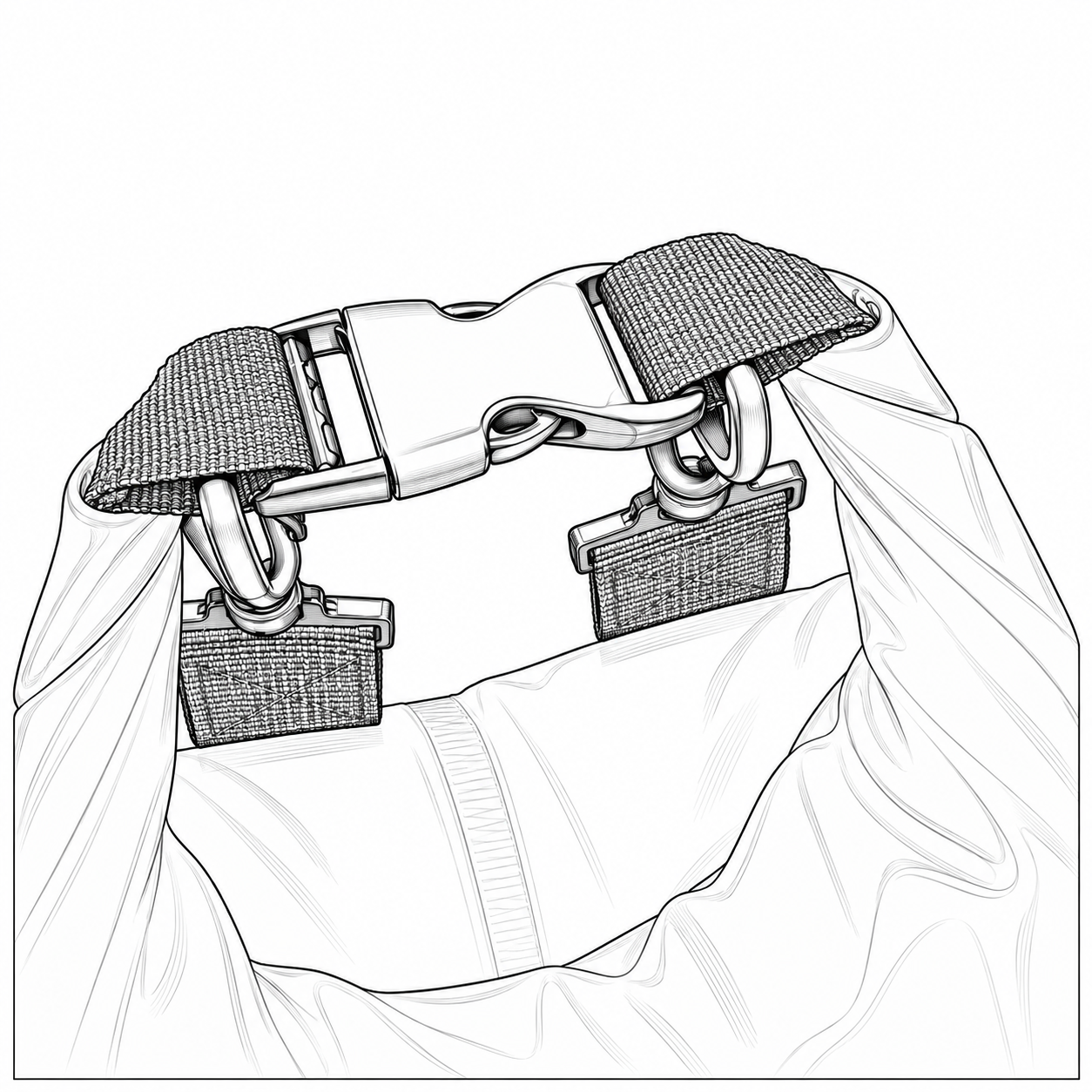
Ask the factory to document the intended closure method, including alignment, rolling direction, required closure steps and the correct buckle connection. Avoid importing a fold count from another product because neck length, material and geometry differ. Use the production-intent sample and the proposed instruction card. Record the revision of both. A custom dry bag manufacturer should be able to explain the selected construction, but the buyer must still confirm that the customer-facing instructions match the approved model and any evidence used for its claims.
Prepare realistic loads and starting conditions
Choose representative contents and include the fullest permitted loading condition that still allows correct closure. Define where the user starts: unpacking a new bag, replacing wet gear or reopening it during a trip. Include accessories exactly as supplied. If cold-weather gloves or another special handling condition matter, specify and evaluate them separately. Do not create an overfilled trial and then conceal the limitation in the retail listing. The usable capacity and closure headspace should be understandable before the buyer approves catalog wording.
Observe first-time users without demonstrating first
Give participants the sample and instructions, then ask them to complete the named task. Record where they hesitate, which surfaces they align and whether they confuse carry clips with closure hardware. Use a consistent observation sheet rather than relying on general satisfaction comments. Participants should resemble the intended customer group in relevant experience and physical handling needs. This is a design review, not a statistical proof of market-wide behavior. A small trial can still expose an unclear diagram or repeated mistake that warrants a specific revision.
Fix the instruction or construction that caused the error
Compare each observed problem with the approved procedure. An unclear arrow may need an improved illustration; a difficult-to-hold rim may need a construction discussion. Review whether loose straps, hidden buckles or print placement obscure the sequence. State the change and rerun the affected task on the revised sample. Do not solve a physical access problem solely by adding a long warning paragraph. For private label dry bags, retain the final instructions alongside the approved artwork so packing does not revert to an older generic insert.
Keep user validation and performance evidence distinct
A participant who closes the bag confidently has not established waterproof performance. Separately agree the exposure conditions and evaluation on correctly closed samples, and consider misuse observations when improving instructions. Record the model, load and closure procedure associated with accepted evidence. Before a bulk dry bags order, check that the pack-out includes the right instruction revision and any care steps needed for the chosen components. Revisit both documents when the rim, buckle, material or closure arrangement changes on a future order.
Use this table in supplier discussions
| Review area | Buyer input | Decision |
|---|---|---|
| Procedure | Model-specific closure steps | Instruction matches selected bag |
| Trial | Representative load and user task | Observed errors and hesitation |
| Revision | Defined drawing or construction change | Repeat affected task |
| Evidence | Agreed exposure and closure condition | Separate water-performance review |
Information to include in your inquiry
- Production-intent sample and revision
- Model-specific closure instructions
- Representative loads and first-time users
- Observation sheet and revision owner
- Final insert and evidence scope
Frequently asked buyer questions
Can I print a standard three-fold instruction on every dry bag?
Use the selected model procedure and confirm it with the supplier. The required closure sequence depends on the construction and should match the evidence for that bag.
Does a successful usability trial prove the bag is waterproof?
No. It evaluates whether users can follow the closure process. Finished-product exposure testing and the scope of the resulting claim remain separate approval decisions.
DRYCROSS · DONGGUAN, CHINA
Turn the checklist into a project brief
Send the reference model, quantity, destination and requirements that matter to your customer. DryCross will review the scope before confirming a quotation.
Discuss this sourcing projectExplore relevant products · Factory capabilities · Customization · Contact DryCross