
QUICK BUYER ANSWER
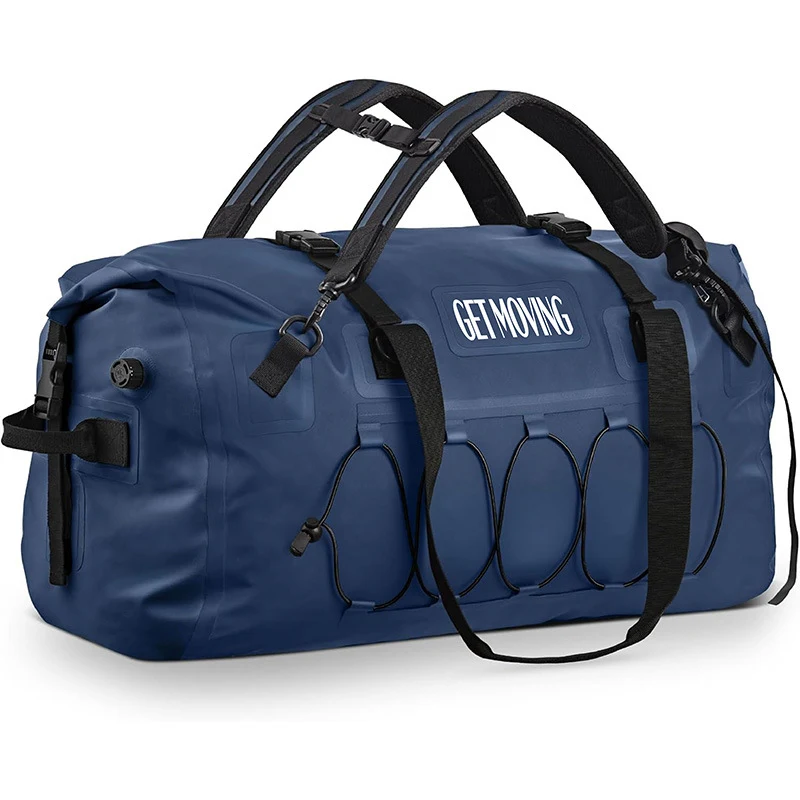
Waterproof Duffel Bag Design: the practical answer
A waterproof duffel brief should define the packed equipment, access opening, carry modes and exposure conditions before selecting a closure. Compare the usable opening and loaded shape, then review how handles and straps connect to the body. A large capacity or coated fabric does not establish the performance of the completed compartment.
Map the equipment and access sequence
Duffel geometry suits projects where the buyer wants to see and retrieve equipment through a broad opening. Before selecting a shape, list the actual contents and the order in which users need them. A travel clothing kit, watersports equipment set and outdoor rental return all create different access requirements. Record long or rigid objects separately from compressible clothing.
Build a packing trial with the intended equipment instead of relying on a nominal liter label. Ask which items can be removed without emptying the entire bag. An opening that looks generous in a photograph may become difficult to use when its closure allowance and packed sidewalls are taken into account.
Compare usable opening with closed dimensions
Specify the opening span, packed base and closed height as different measurements. If a roll-top is proposed, leave the required closing area above the load. If a specialist zipper is proposed, review the opening path, end position and installation with the actual sample. Neither solution should be selected solely because another brand uses it.
NRS publishes a wide-opening roll-top duffel example, showing that duffel access does not require one universal closure format. Use such references to explain your intended access, then request a drawing of your own configuration. Do not transfer a competitor’s waterproof statement or operating procedure to a different construction.
Background: NRS: High Roll Duffel product design. This reference illustrates a manufacturer-specific duffel layout; it does not certify a DryCross design.
Define each carrying mode and its load path
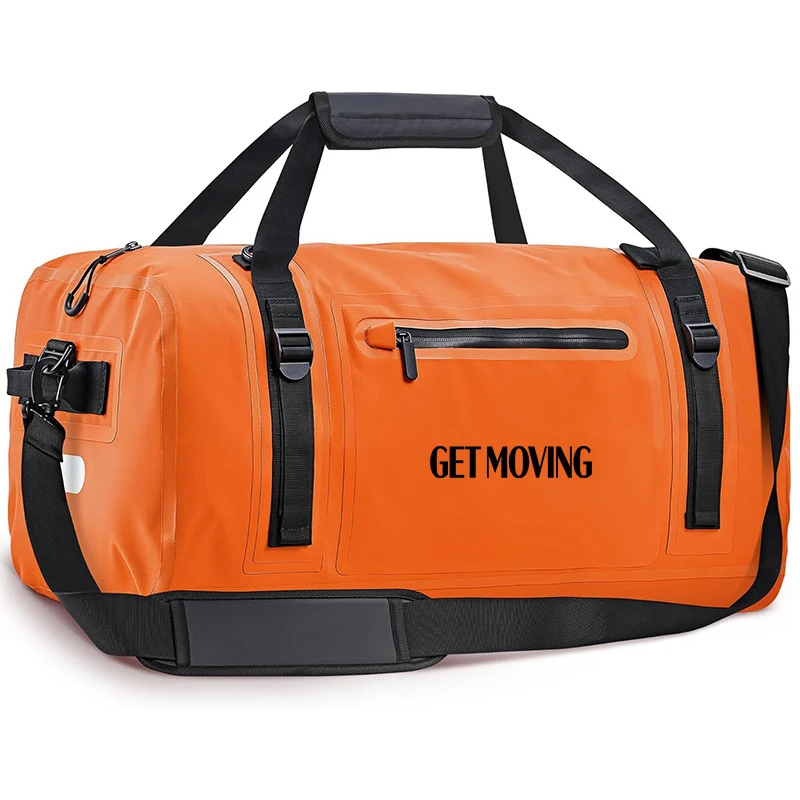
A duffel may be carried by hand, shoulder or backpack-style straps. State which modes are essential and how frequently users change between them. Review whether unused straps are removable or can be retained away from the opening. Handle comfort should be assessed with the planned contents rather than with an empty promotional sample.
Trace the connections from webbing and hardware into the body. Discuss reinforcement, attachment spacing and any interaction with the sealed compartment. A convenient grab handle is not automatically an approved lifting point. Establish intended loads and evaluation criteria before approving load-related wording in product listings.
Keep wet storage separate from protected storage
A pocket for wet accessories needs a clearly described purpose. If it is ventilated or draining, explain that function rather than implying it protects dry contents. An external pocket may also have different water exposure and closure behavior from the main compartment. Show the compartment boundaries on the layout drawing.
Ask how wet and dry items are kept apart during packing and transport. Consider whether dirty footwear or hard equipment can rub the main barrier. Request the relevant care instructions for each material. A buyer may prefer a removable organizer, but that option should be reviewed for fit, retention and cleaning before it becomes a claimed feature.
Review packing geometry through the delivery chain
Check the filled shape for storage in the intended vehicle, shelf or travel arrangement. Do not assume that a general travel duffel meets a carrier’s baggage dimensions; compare the actual closed measurements with the requirements applicable to the journey. Describe any compression method and confirm that it does not interfere with the closure.
For wholesale assortments, keep the product and carton measurements separate. Record whether handles or removable components are included when measuring. This gives the shipping and merchandising teams useful information without converting a bag’s nominal capacity into an unsupported transport claim.
Approve a complete duffel development brief
Collect the packing trial, opening sketch, carry modes, compartment layout and proposed water exposure into one sample brief. Include photographs of the loaded and correctly closed sample. Record which observations are acceptable and which require a revision, and retain the approved configuration for subsequent production discussions.
Send DryCross those requirements with your quantity, destination and branding files. Duffel development, material availability, sample cost and manufacturing scope are reviewed for the project. The resulting quotation should identify the agreed construction rather than promise every feature shown in a reference image.
Specification discussion table
| Design variable | Review on the sample | Keep in the brief |
|---|---|---|
| Access | Retrieve the actual equipment | Opening and closure dimensions |
| Carry modes | Loaded handling and strap retention | Attachments and intended use |
| Compartment layout | Wet and dry item separation | Pocket functions and boundaries |
| Packed geometry | Closed shape in the intended space | Measurements and packing method |
Before you request a quotation
- List rigid and bulky contents.
- Define opening and closed dimensions independently.
- Specify carry modes and compartment functions.
- Retain the approved loaded sample record.
Frequently asked buyer questions
Is a duffel better than a backpack for waterproof storage?
Choose by access and carrying tasks. A duffel may suit broad access, while a backpack may suit longer hands-free carrying. Evaluate the packed sample rather than assuming one format is always better.
Can an external zip pocket share the main compartment rating?
Only when evidence supports that particular pocket and its construction. State the protection scope separately instead of transferring a main-compartment claim.
Can DryCross quote a duffel from a reference photo?
A photo starts the discussion. Add dimensions, contents, closure, carry modes and quantities so the team can review development feasibility and order-specific terms.
DRYCROSS / DONGGUAN HAIHE TECHNOLOGY CO., LTD.
Turn these requirements into a sourcing brief
Send the selected model or reference, quantity, destination and requirements from this guide. Our Dongguan team will review sample options, specifications and order-specific commercial terms.
Discuss your waterproof bag projectSee our factory · Contact DryCross · Explore sourcing routes