
QUICK BUYER ANSWER
Bikepacking Dry Bags: the practical answer
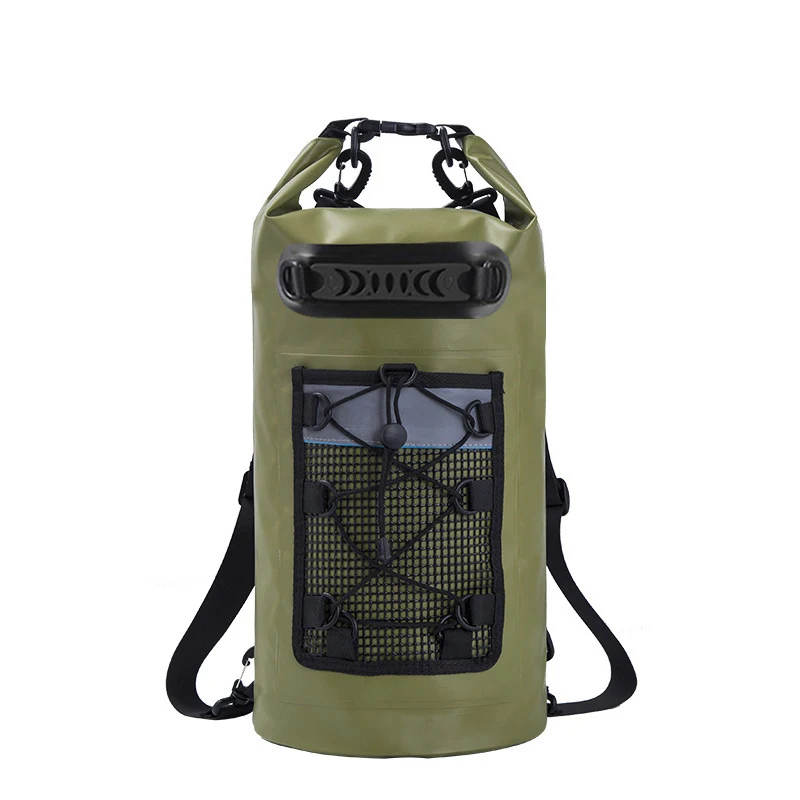
Specify a bikepacking dry bag as part of a mounting system, not as an isolated waterproof container. Record the bicycle, hardware, intended load and fully packed dimensions. Review retention, strap routing and clearance from moving parts on the actual setup. A dry bag’s capacity or attachment loops alone do not establish bicycle compatibility.
Define the mounting location before the bag shape
Handlebar, fork-cage and rack-top positions create different envelopes for a filled bag. Identify the intended location and hardware before selecting a capacity. Include the bicycle configuration and any accessories that occupy the same space. A bag that fits on a shelf may not fit after its closure and mounting straps are arranged.
Ask for photographs and measurements of the intended setup. Keep each configuration in the approval record instead of describing a product as universally compatible. If multiple bicycles are planned, identify which combinations have actually been reviewed and which remain outside the proposed scope.
Compare packed dimensions with operating clearance
Review the fully loaded shape, not just a flattened bag drawing. Consider how steering and normal bicycle movement affect the available space. Loose straps or shifting contents can change the clearance observed while stationary. The mounting instructions from the relevant equipment makers should govern the installation.
Sea to Summit’s bikepacking mounting guidance emphasizes suitable hardware and keeping equipment away from moving parts. Use that principle when defining the evaluation, but do not copy its model-specific installation as instructions for another product. Any unclear clearance or retention issue should be resolved before the configuration is described as ready for use.
Background: Sea to Summit: bikepacking mounting guidance. Its installation guidance applies to the specified Sea to Summit equipment; a different system needs its own review.
Give every strap and loop a stated function
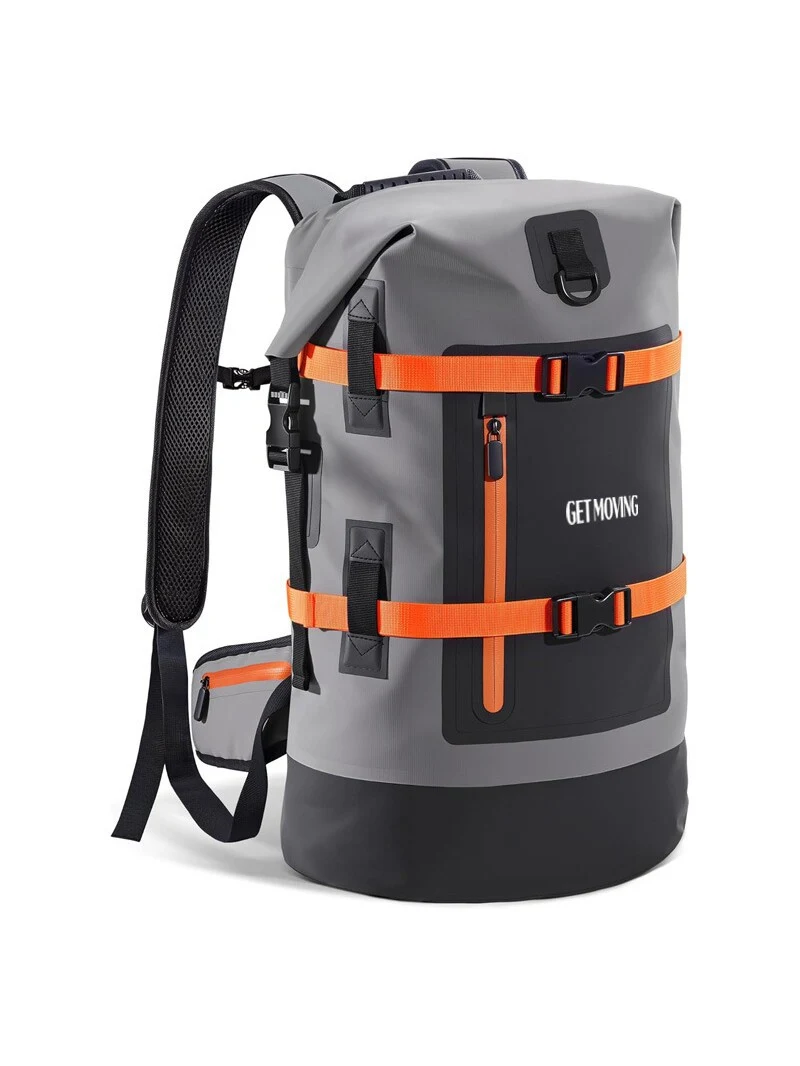
Separate attachment loops used to route retaining straps from carrying handles or decorative webbing. Specify the route, hardware and intended tensioning method on the drawing. A loop sewn onto a bag is not evidence that it can support any load or mounting position. Review its connection to the body and any reinforcement required.
Also check how the user manages strap tails after installation. Write instructions for the selected system and show the closed, loaded arrangement. Avoid claims such as fits all bikes unless that scope has been established. A precise compatibility list is more useful to buyers and after-sales staff than a broad statement without supporting details.
Evaluate contact and wear at the interface
Identify where the bag touches a cage, bracket or retaining strap. These areas may see repeated rubbing and pressure, unlike a bag packed inside another backpack. Discuss the material and reinforcement at those contact points instead of judging durability from fabric weight alone. Keep interface protection within the agreed design.
Review whether the mounting arrangement bends the closure, presses on hardware or blocks access. If a substitute cage or strap is proposed, treat it as a configuration change. Document the effect on fit and retention before assuming that a similar-looking accessory is equivalent.
Balance packing access with a stable load
Test how the rider packs, closes and removes the bag using the intended contents. A tightly organized soft load behaves differently from loosely packed rigid objects. Define what is supposed to be carried and whether frequent access is needed during a trip. Keep heavy or awkward items within the approved system’s instructions.
For a retail range, explain the application and mounting requirements on the product page. Include the required hardware and clearly identify anything supplied separately. This makes the purchase decision more accurate and prevents a customer from confusing a general dry bag with a complete bicycle mounting kit.
Make compatibility an explicit approval deliverable
A useful approval file contains the bicycle configuration, mounting hardware, bag revision, packed dimensions and photographs of strap routing. Record the contents and observations under the agreed assessment conditions. Include unresolved points so they cannot disappear between development and listing preparation.
Send DryCross your intended mounting location, hardware reference, packing load and quantity. The team can review the proposed bag and attachment construction for a development discussion. Product-specific compatibility and load claims require their own supporting review; they should not be inferred from an outdoor product photograph.
Specification discussion table
| System element | Specify | Verify |
|---|---|---|
| Mounting location | Bicycle and accessory configuration | Loaded clearance |
| Retention | Hardware and strap route | Approved installation |
| Contact points | Cage, bracket and webbing interfaces | Wear and construction review |
| Customer scope | Included parts and reviewed combinations | Accurate listing instructions |
Before you request a quotation
- Record bicycle and mounting hardware.
- Measure the closed, loaded bag.
- Resolve moving-part clearance and strap retention.
- Publish only reviewed compatibility claims.
Frequently asked buyer questions
Can any roll-top dry bag be used for bikepacking?
A general dry bag may lack a reviewed attachment system. Confirm the actual mounting arrangement, loaded dimensions and compatibility before describing it as suitable for a bicycle.
Do daisy chains prove a bag is safe to mount?
No. Their function, attachment construction and intended loading must be reviewed with the selected mounting hardware and instructions.
Should capacity or clearance come first?
Start with the intended setup and contents. Select capacity within the available loaded envelope, then confirm the closure and retaining system work together.
DRYCROSS / DONGGUAN HAIHE TECHNOLOGY CO., LTD.
Turn these requirements into a sourcing brief
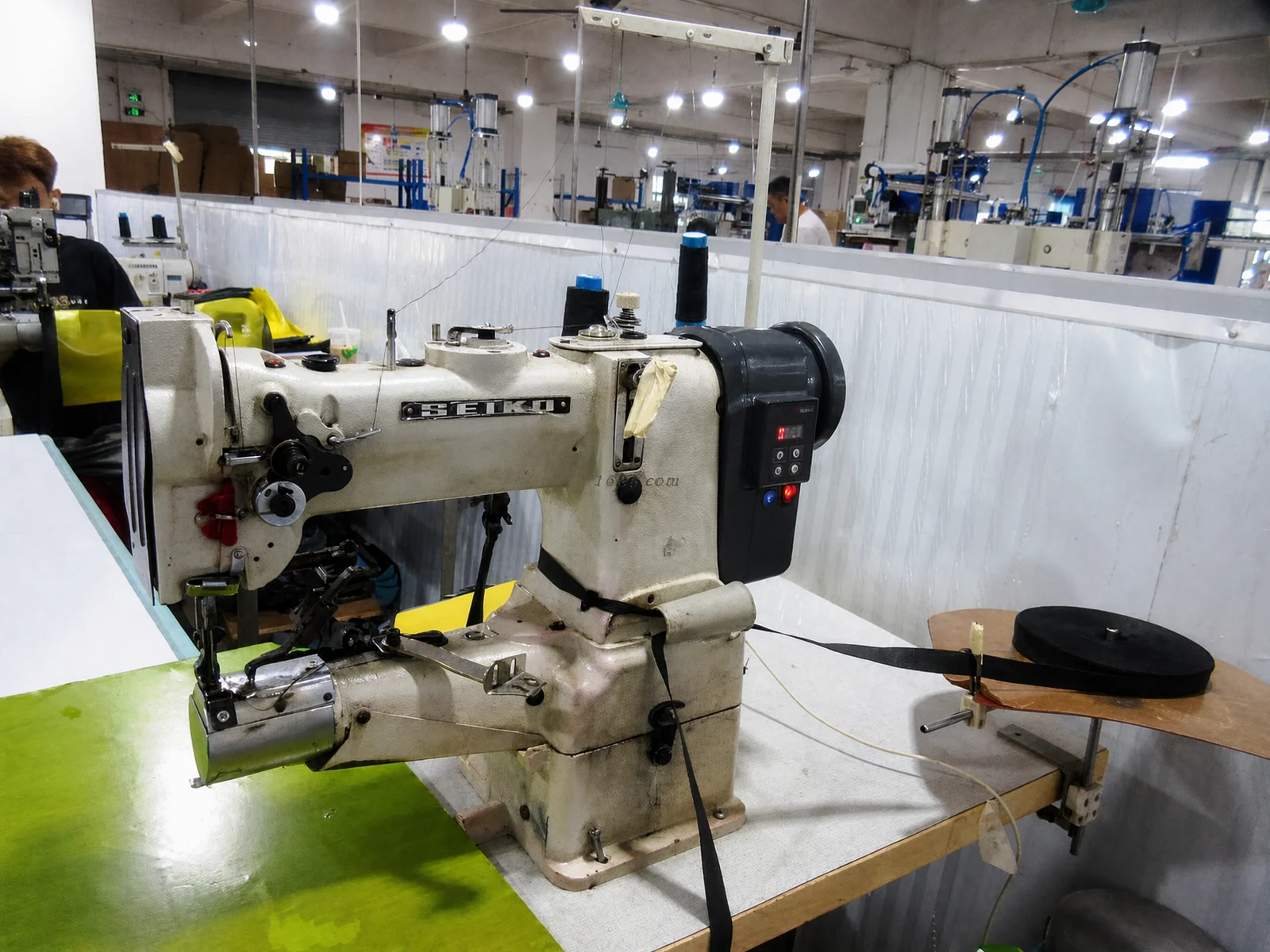
Send the selected model or reference, quantity, destination and requirements from this guide. Our Dongguan team will review sample options, specifications and order-specific commercial terms.
Discuss your waterproof bag projectSee our factory · Contact DryCross · Explore sourcing routes