QUICK BUYER ANSWER
The practical answer
Private label works best when an existing backpack already meets the required construction and carrying experience. Approve the unbranded model first, then control logo, color, labels, packaging and reorder references as separate deliverables.
Choose a platform before customizing it
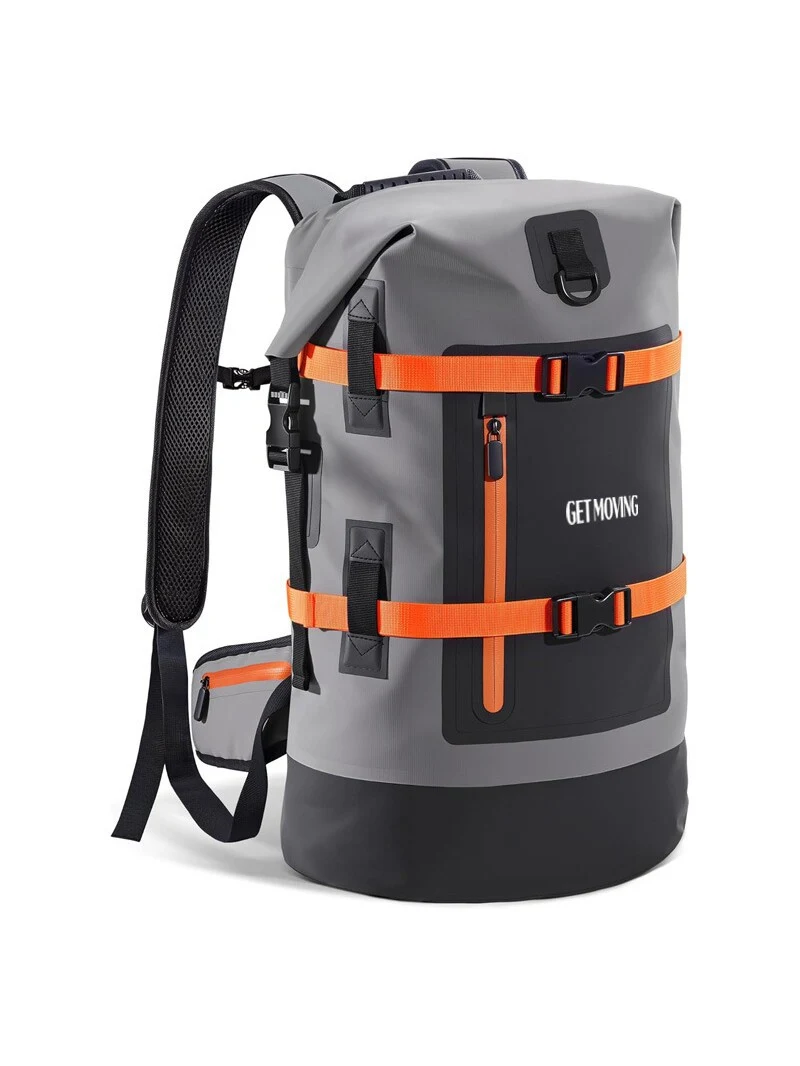
Compare capacity, opening, pockets, harness and intended water exposure across existing models. Ask which components are fixed and which can change without turning the project into full OEM development. A model that already fits the brief usually reduces sampling risk and makes first-order planning clearer.
Approve carrying comfort with realistic weight
Load the sample with representative contents and check shoulder-strap shape, adjustment range, back contact and grab-handle use. Record the test load and sample revision. Comfort feedback is subjective, so collect it from users close to the target customer rather than approving an empty backpack.
Build a restrained first assortment
Each color, logo version and packaging language creates another SKU. Start with variants supported by a clear sales purpose. Ask how quantity minimums apply to each split and calculate launch inventory, samples and marketing units before adding colors that may slow reorders.
Coordinate every brand touchpoint
Review the external logo, woven or care labels, zipper pulls, hangtags, instruction card and retail packing as one system. Use versioned artwork and placement measurements. Confirm spelling and barcode data separately; a correct bag sample does not automatically approve its packaging.
Make reorders reproducible
Record the supplier model, approved material and color references, component list, artwork versions, packaging and sample date. Ask how unavailable components or color-batch differences will be handled. Require written approval before substitutions so the next order remains consistent with the launch product.
Use this table in supplier discussions
| Review area | Buyer input | Decision |
|---|---|---|
| Platform | Existing model and construction | Confirms product fit |
| Assortment | Quantity by color and SKU | Controls inventory complexity |
| Brand system | Logo, labels and packaging files | Creates consistent presentation |
| Reorder file | Approved references and change rules | Protects continuity |
Information to include in your inquiry
- Product type or reference model
- Quantity by size, color and artwork
- Intended use and required features
- Destination and required delivery date
- Sample, packing and evidence requirements
Frequently asked buyer questions
Is private label the same as OEM?
Terms vary. Private label commonly starts from an existing model; OEM commonly involves a buyer-defined specification. Agree the actual scope in writing.
Can I change pockets and dimensions on a private label model?
Ask the supplier to classify the change. Structural changes may require a new sample, revised minimum and OEM development process.
DRYCROSS · DONGGUAN, CHINA
Turn the checklist into a project brief
Send the reference model, quantity, destination and requirements that matter to your customer. DryCross will review the scope before confirming a quotation.
Discuss this sourcing project