QUICK BUYER ANSWER
Welded vs Sewn-and-Sealed Waterproof Bags: the practical answer
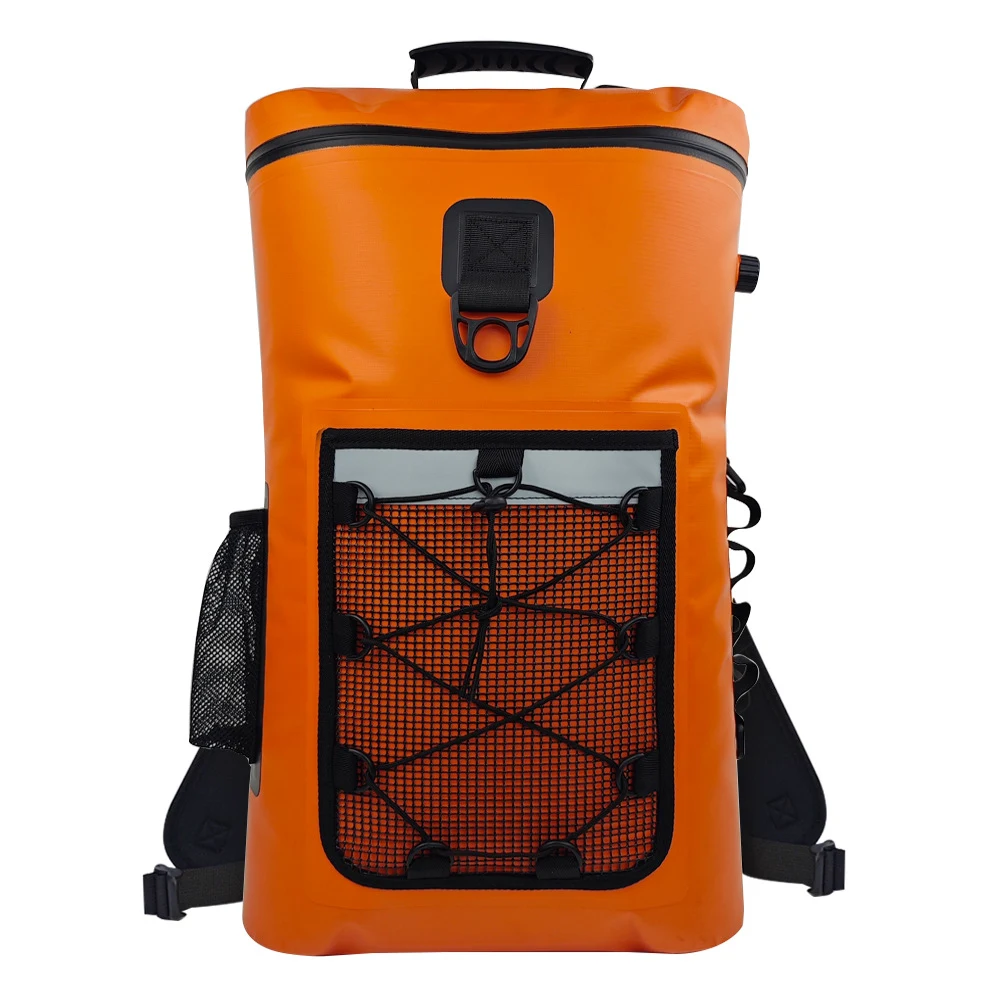
Compare seams by how the finished construction maintains the water barrier, not by the words welded or sewn alone. Welding joins compatible layers through a defined process; a sewn seam intended for water protection needs a suitable sealing arrangement. Review materials, intersections, attachments and finished-product evidence together before approving a waterproof claim.
Identify which seam is part of the barrier
Start by marking the protected compartment on the drawing. Body joints, base connections and opening interfaces may belong to its barrier, while external straps and organizers can have different functions. A photograph showing stitching does not tell you whether that particular stitch line enters the protected compartment.
Ask the supplier to name the construction at each relevant location. This prevents a buyer from rejecting all stitching automatically or accepting every welded-looking edge as equivalent. The useful question is how the intended barrier continues through the complete design and where evidence is required.
Review welding as a material-and-process combination
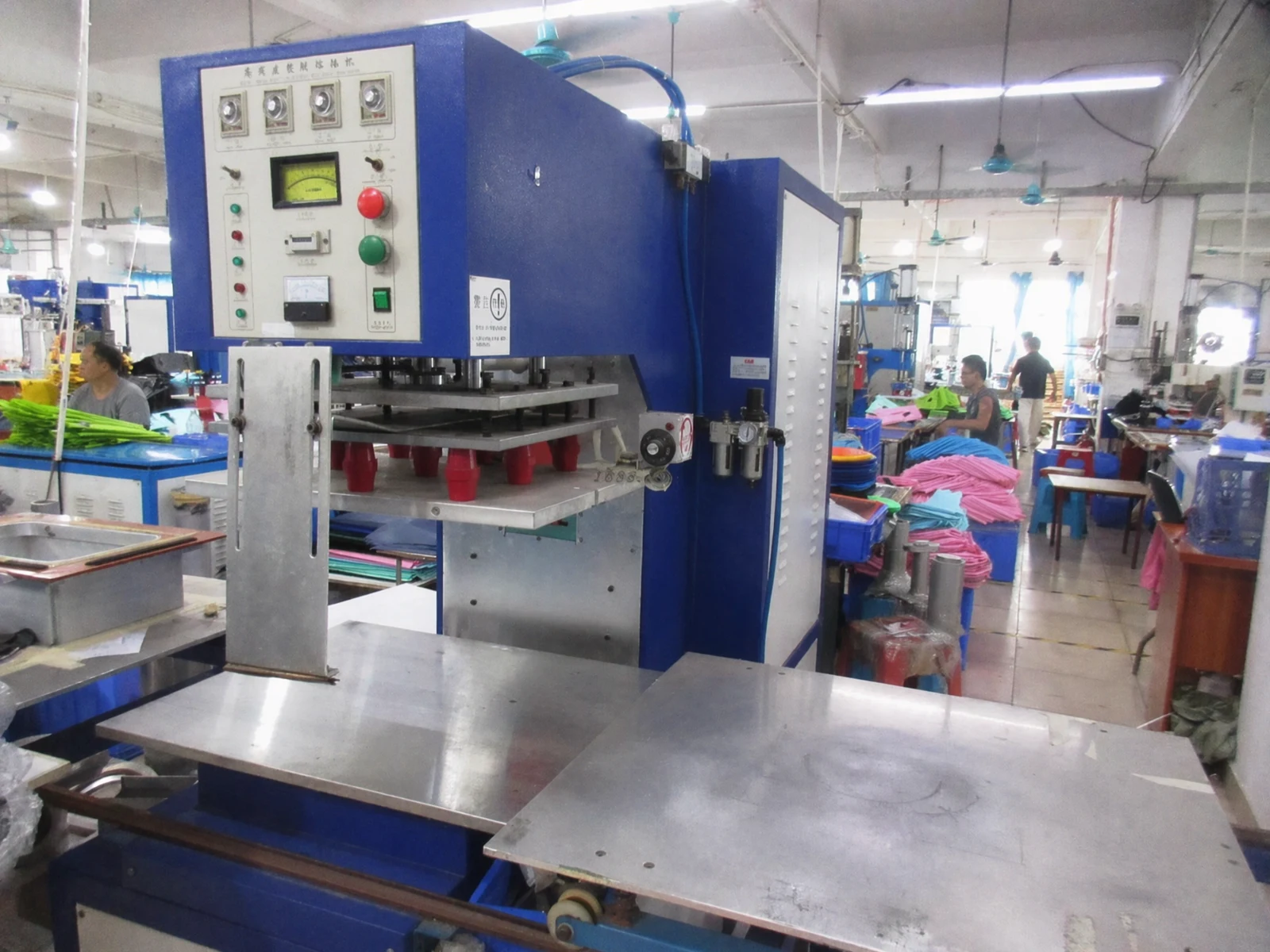
A welded seam depends on compatible material layers and an appropriate process. High-frequency welding is one joining method used for suitable coated materials; its name is not a universal performance rating. Specify which material, seam arrangement and process are proposed for the selected model.
ORTLIEB’s public explanation shows how welded joints can produce flat and three-dimensional waterproof products. That illustrates the relationship between joining and geometry, but its reported performance and seam dimensions belong to its own products. For another design, review the actual material and construction instead of transferring those values.
Background: ORTLIEB: high-frequency welding explanation. This explains the manufacturer’s own construction. Its performance statements are not DryCross test results.
Ask how a sewn seam is sealed
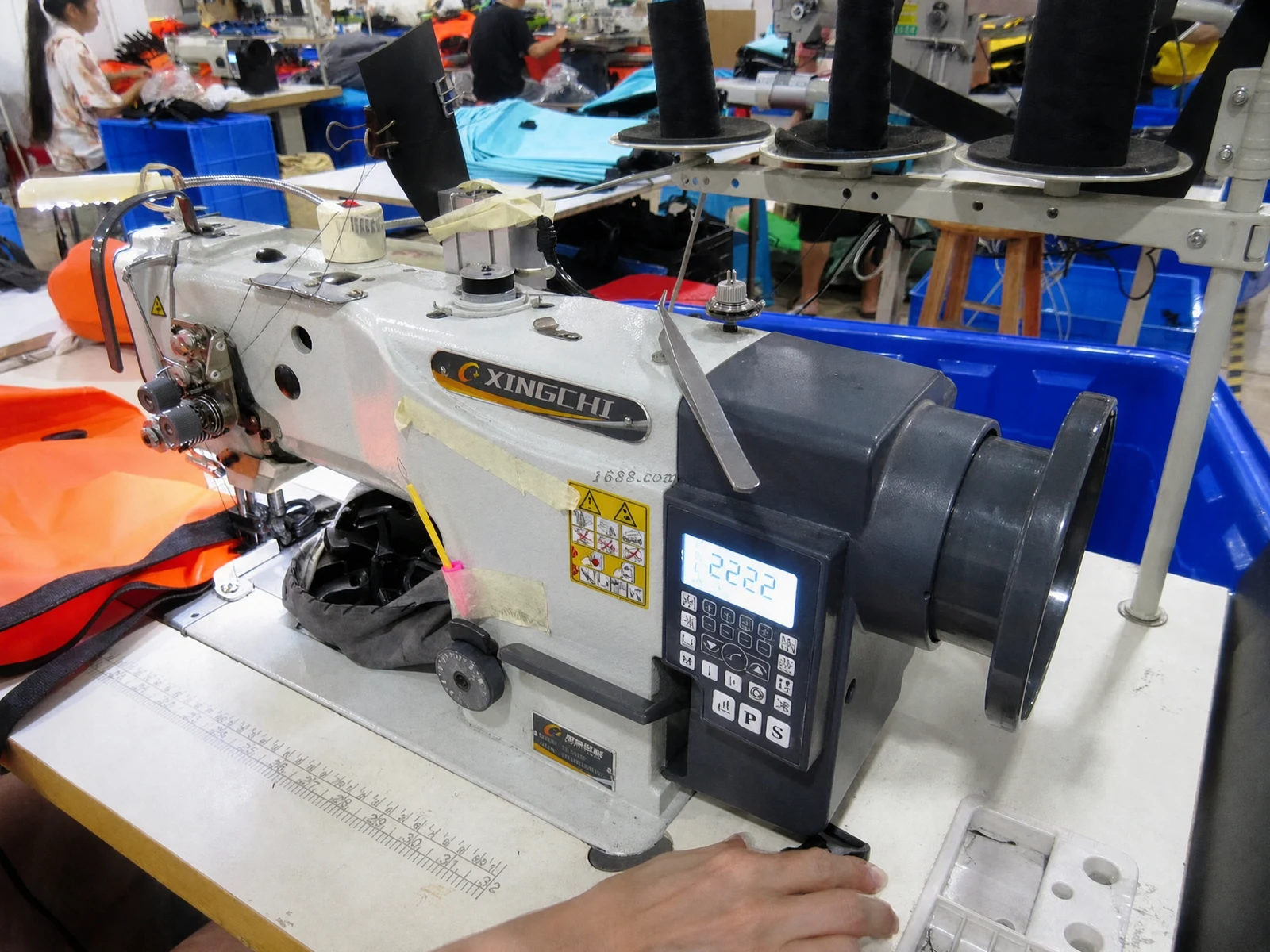
Stitching creates a mechanical connection and can create paths through a barrier layer. If the seam is intended to maintain water protection, ask what sealing system is used and how it works with the textile and coating. Do not infer the answer from a neat stitch pattern or from the phrase waterproof fabric.
Review the proposed seal at its edges, curves and crossings. The finished geometry matters because a seal that is straightforward on a flat panel may need different handling at a multi-layer junction. Ask for the construction detail and relevant sample evidence rather than treating all seam tape or sealing products as interchangeable.
Pay attention to intersections and attachments
A long straight body joint is only one part of the construction. Review where it meets the base, where reinforcement changes layer thickness and where straps or windows connect to the body. Mark these interfaces in the approval record so sample review does not concentrate only on the easiest visible area.
A load-bearing attachment should also be assessed for its structural role. Water protection and attachment strength are different requirements, even when they involve the same location. Define the intended functions and evaluation scope separately so a successful observation in one area is not used to justify an unrelated claim.
Connect visual inspection with the required evidence
Visual inspection can record alignment, exposed edges and obvious damage. It cannot establish all performance characteristics of the finished compartment. Agree what further evaluation is needed for the intended exposure and make sure the reviewed model, materials and closure procedure match the proposed claim.
Keep observations traceable to a sample revision. If a material or attachment location changes, identify which interfaces need reassessment. A factory’s general process description is useful background, but the purchaser should still know which construction was approved for the particular order.
Choose a construction through a complete brief
Provide the intended exposure, bag geometry, carry system and material preferences. Ask the supplier to explain the proposed seam arrangement and any limitations relevant to the project. Cost comparisons should use equivalent scope, including sealing operations, component interfaces and approval work.
For DryCross inquiries, send the model or drawing, quantity and the performance wording you want to support. The team can review feasible materials and construction, with sample and order terms confirmed for the project. The objective is a traceable finished design, not a process label used as a substitute for evidence.
Specification discussion table
| Review area | Welded construction | Sewn-and-sealed construction |
|---|---|---|
| Material | Compatibility with joining process | Compatibility with sealing system |
| Geometry | Joint continuity and intersections | Sealed paths, curves and crossings |
| Attachments | Barrier and load interfaces | Stitch location and sealing arrangement |
| Approval | Selected model and evidence | Selected model and evidence |
Before you request a quotation
- Mark the protected compartment and relevant seams.
- Identify material and joining or sealing details.
- Review intersections and component interfaces.
- Match evidence to the approved construction revision.
Frequently asked buyer questions
Are welded seams always better than sealed sewn seams?
Suitability depends on materials, geometry, process and required performance. Compare the complete construction and supporting evidence rather than ranking the process names alone.
Does a sewing photograph mean the main bag leaks?
No. The photographed operation may involve external components. Determine whether the stitch line enters the barrier and how the selected construction is sealed.
Can a seam test establish the rating of the entire bag?
A seam result addresses a defined scope. The closure, other interfaces and finished compartment must also be considered before making a whole-bag claim.
DRYCROSS / DONGGUAN HAIHE TECHNOLOGY CO., LTD.
Turn these requirements into a sourcing brief
Send the selected model or reference, quantity, destination and requirements from this guide. Our Dongguan team will review sample options, specifications and order-specific commercial terms.
Discuss your waterproof bag projectSee our factory · Contact DryCross · Explore sourcing routes