QUICK BUYER ANSWER
The practical answer
Quality control should begin with a measurable approved specification, not at final inspection. Define critical, major and minor concerns for the product, agree the sampling and acceptance approach with a qualified inspector, and keep performance testing distinct from visual workmanship checks.
Turn the approved sample into measurable criteria
List dimensions and tolerances, material and color references, seam and closure construction, logo placement, component models and packing. Include photos or diagrams for points that inspectors may interpret differently. A sample is a useful reference, but the written specification makes results repeatable.
Classify issues by customer and safety impact
Work with the buyer’s quality professional to define defects for the actual product. Examples may include an unusable closure, missing component, incorrect logo, seam opening, sharp edge, dimensional deviation or packing error. Do not copy a generic defect list without adapting it to the bag and market.
Separate workmanship from performance evaluation
A visual inspection can check appearance, assembly and operation, but it does not prove every waterproof claim. Specify any water-exposure, load or material evaluation separately with the method, conditions, sample count and acceptance result. Confirm whether testing is destructive and how tested units are handled.
Place checks throughout production
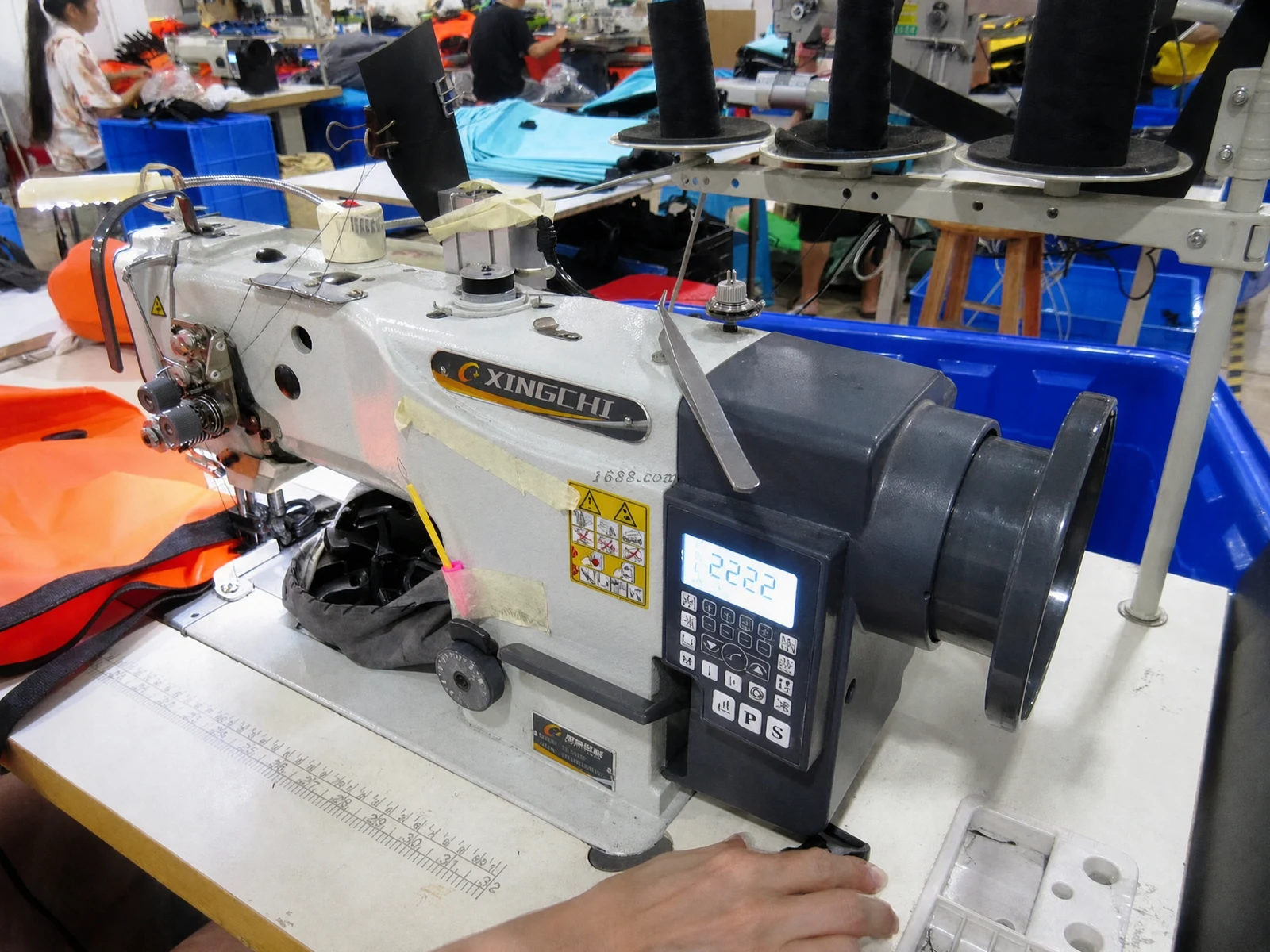
Review incoming materials and approved components before assembly, use in-line checks to catch repeat issues early, and conduct a final inspection after production is complete and packed. Ask for traceable records when corrective action is required. Final inspection alone may identify a problem after the easiest correction window has passed.
Agree decisions before a failure occurs
Define who reviews inspection findings, whether rework or reinspection is allowed, and what evidence closes an issue. The purchase agreement should describe acceptance responsibilities and remedies. For regulated markets or formal sampling plans, use a qualified inspection provider or adviser.
Use this table in supplier discussions
| Review area | Buyer input | Decision |
|---|---|---|
| Specification | Dimensions, materials and approved references | Creates measurable checks |
| Workmanship | Defined defect examples | Supports consistent classification |
| Performance | Separate method and sample plan | Connects evidence to claims |
| Release | Decision, correction and reinspection rules | Prevents last-minute disputes |
Information to include in your inquiry
- Product type or reference model
- Quantity by size, color and artwork
- Intended use and required features
- Destination and required delivery date
- Sample, packing and evidence requirements
Frequently asked buyer questions
Does AQL mean every bag is perfect?
No. AQL is a statistical sampling approach, not a guarantee that every unit is defect-free. Agree the plan with a qualified inspection professional.
Can a final inspection replace sample approval?
No. Sample approval defines the intended product; final inspection checks production against agreed criteria.
DRYCROSS · DONGGUAN, CHINA
Turn the checklist into a project brief
Send the reference model, quantity, destination and requirements that matter to your customer. DryCross will review the scope before confirming a quotation.
Discuss this sourcing project